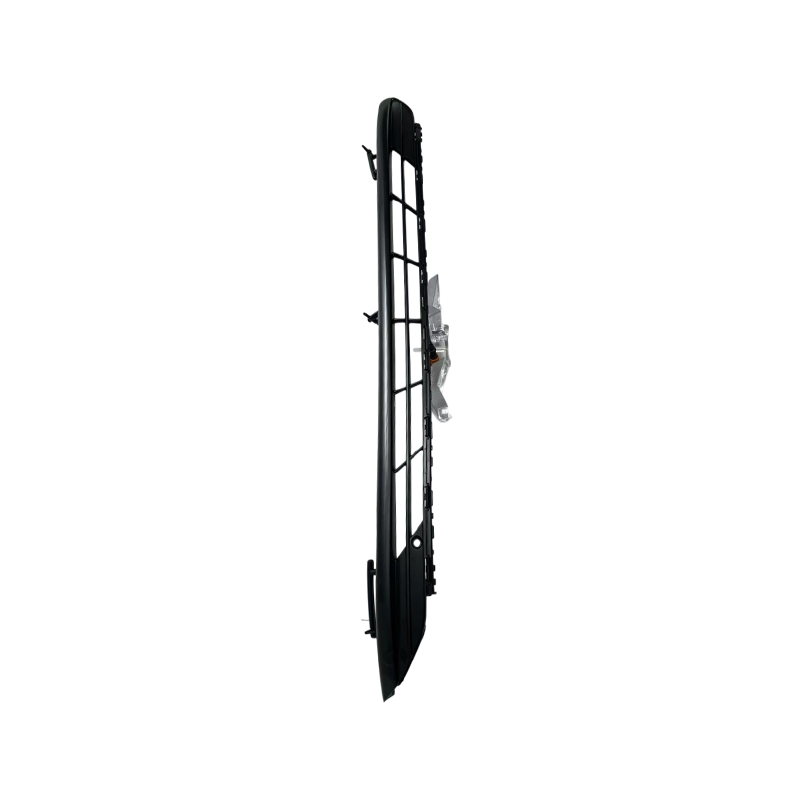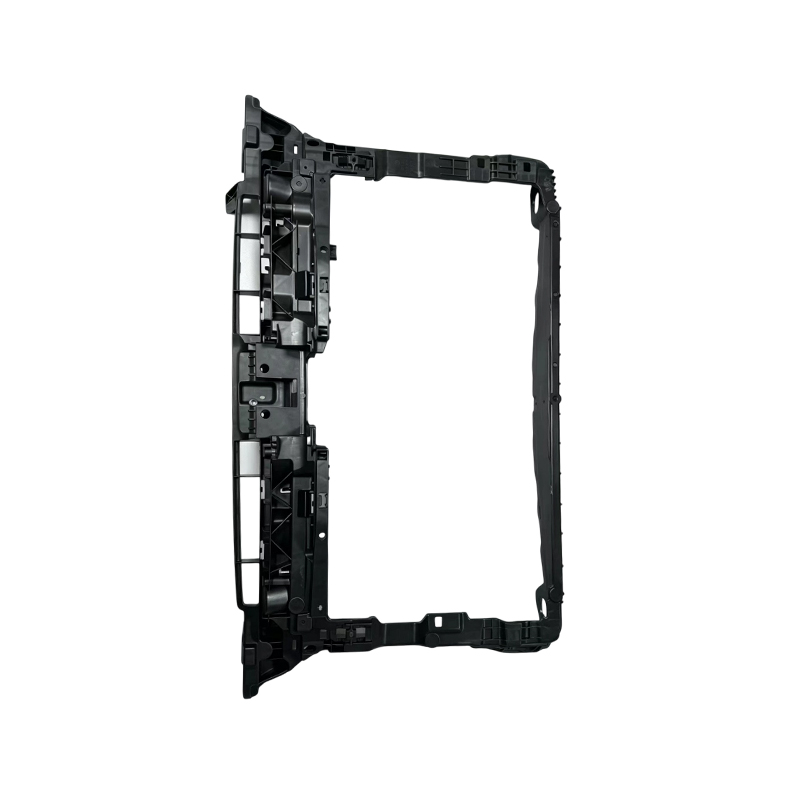
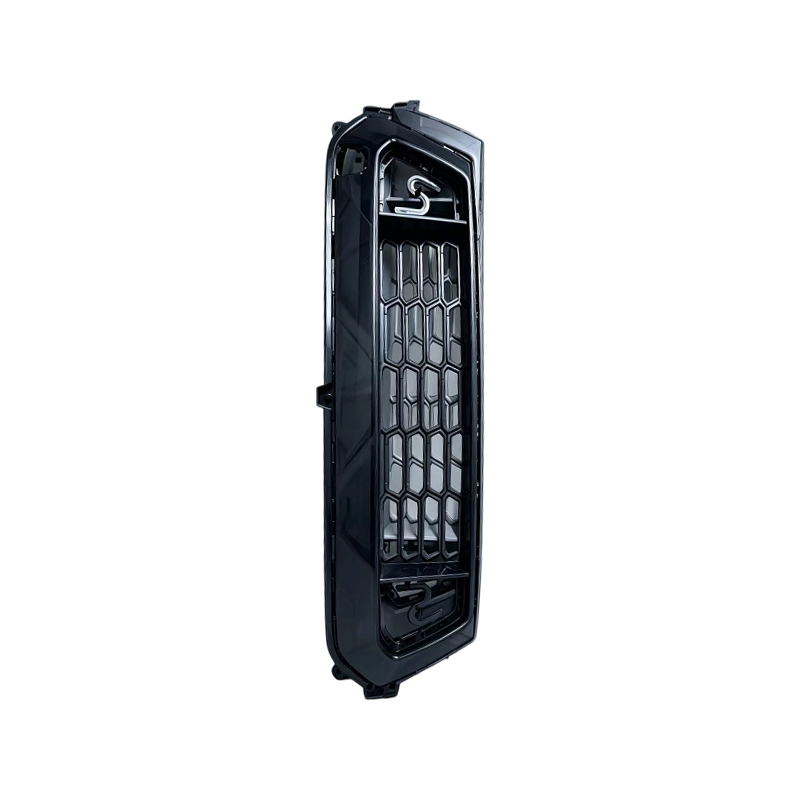
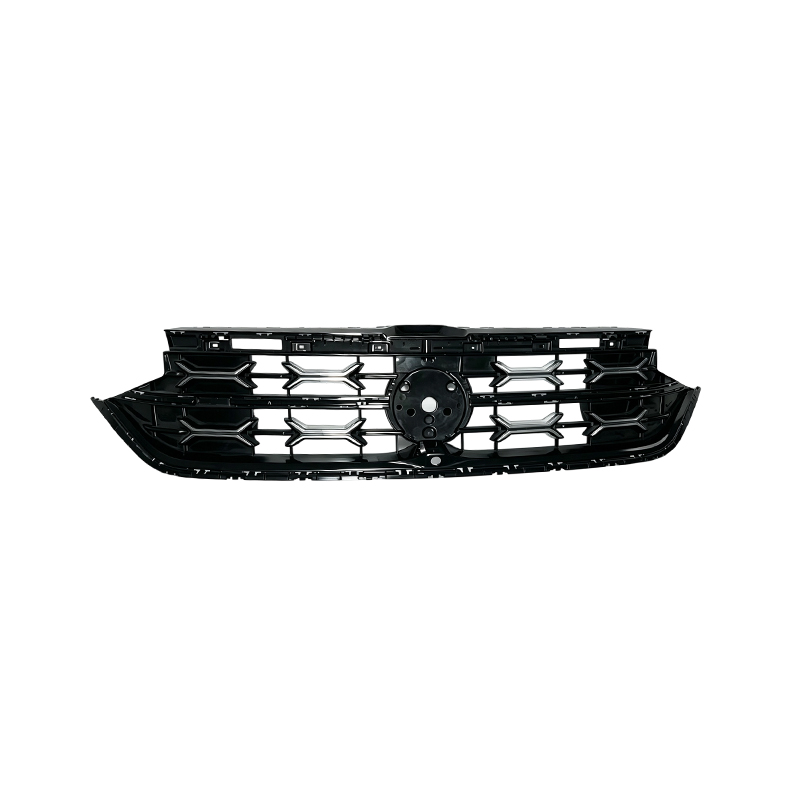
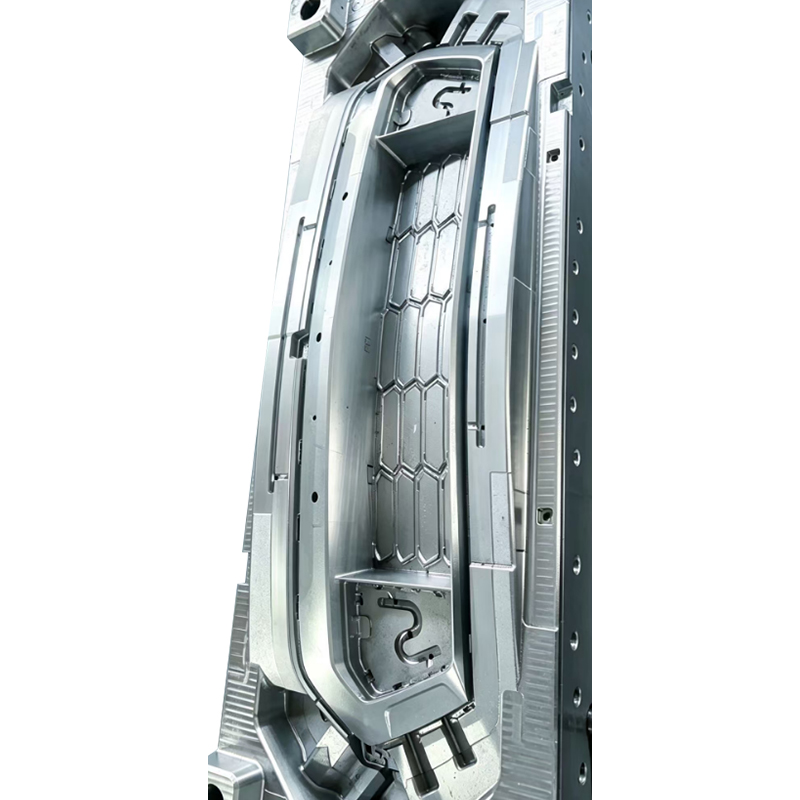
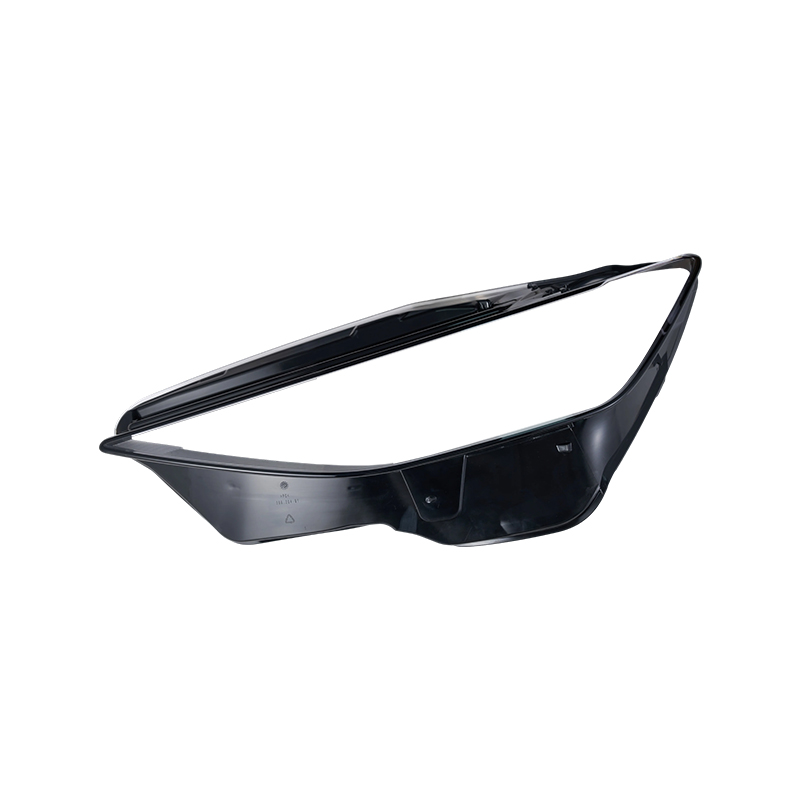
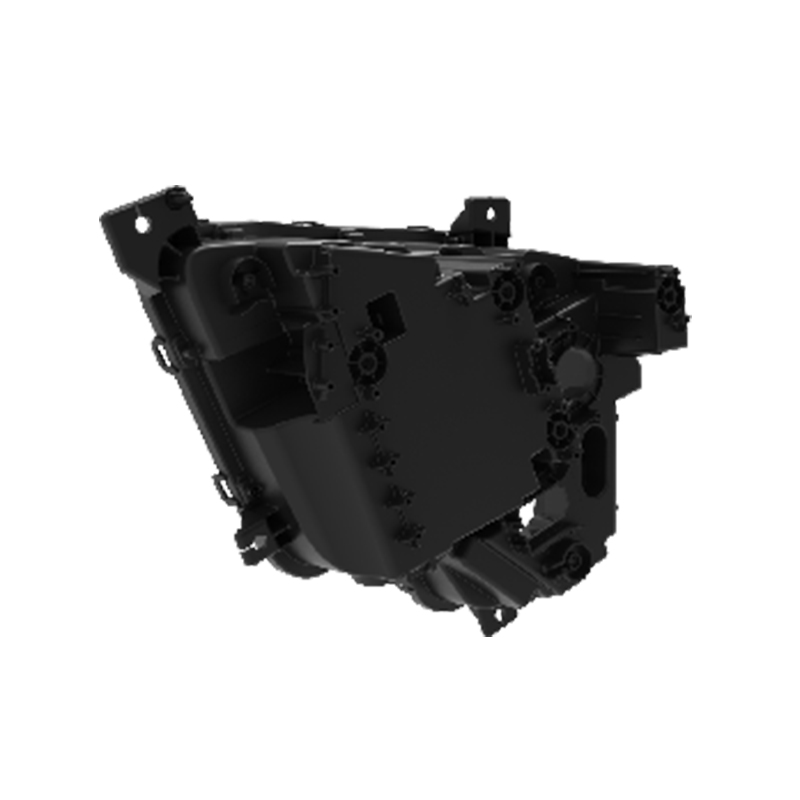
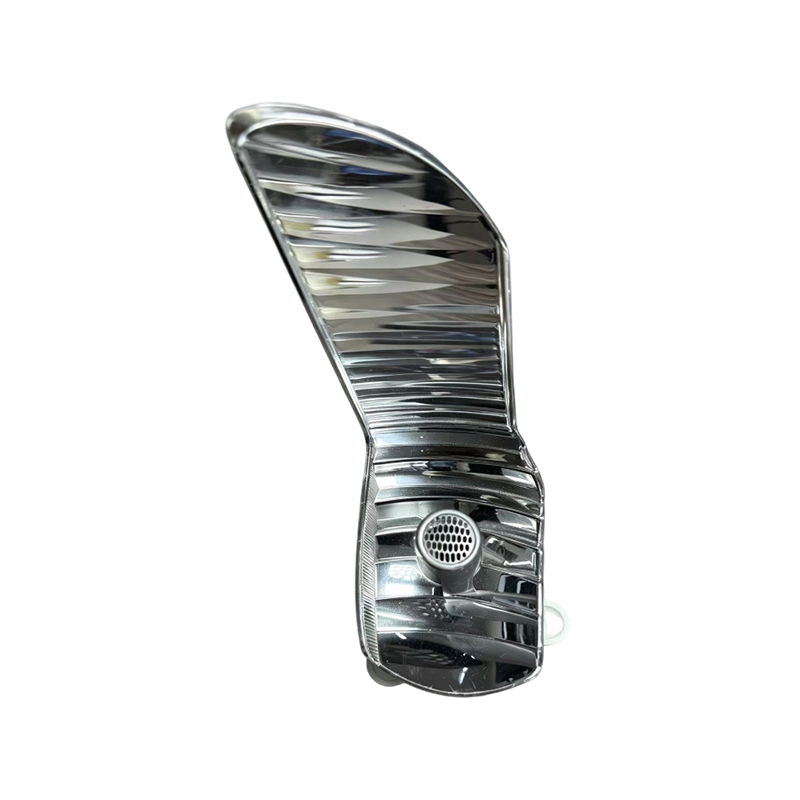
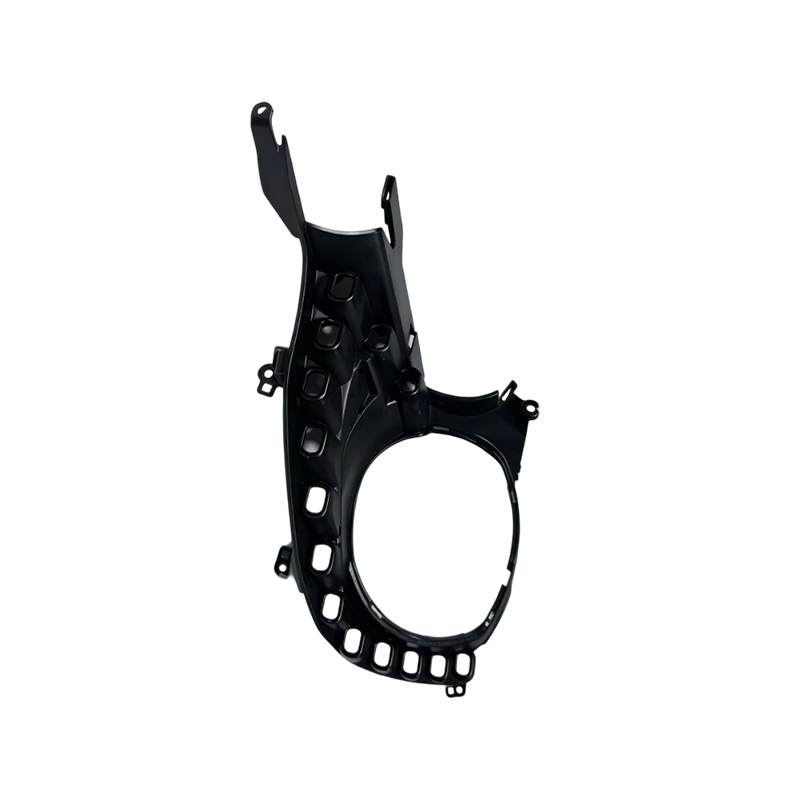
Automotive Front Bumper Upper Grille (Upper Grille Assembly)

Home / Products / Injection Mold / Automotive Interior And Exterior Trim Molds / Automotive Front Bumper Upper Grille (Upper Grille Assembly)
  • Automotive Front Bumper Upper Grille (Upper Grille Assembly)
  • Automotive Front Bumper Upper Grille (Upper Grille Assembly)
  • Automotive Front Bumper Upper Grille (Upper Grille Assembly)
  • Automotive Front Bumper Upper Grille (Upper Grille Assembly)
  • Automotive Front Bumper Upper Grille (Upper Grille Assembly) Taizhou Shunchi Molding Co., Ltd.
  • Automotive Front Bumper Upper Grille (Upper Grille Assembly) Taizhou Shunchi Molding Co., Ltd.
  • Automotive Front Bumper Upper Grille (Upper Grille Assembly) Taizhou Shunchi Molding Co., Ltd.
  • Automotive Front Bumper Upper Grille (Upper Grille Assembly) Taizhou Shunchi Molding Co., Ltd.
Automotive Front Bumper Upper Grille (Upper Grille Assembly)
Material: PC/ABS alloy

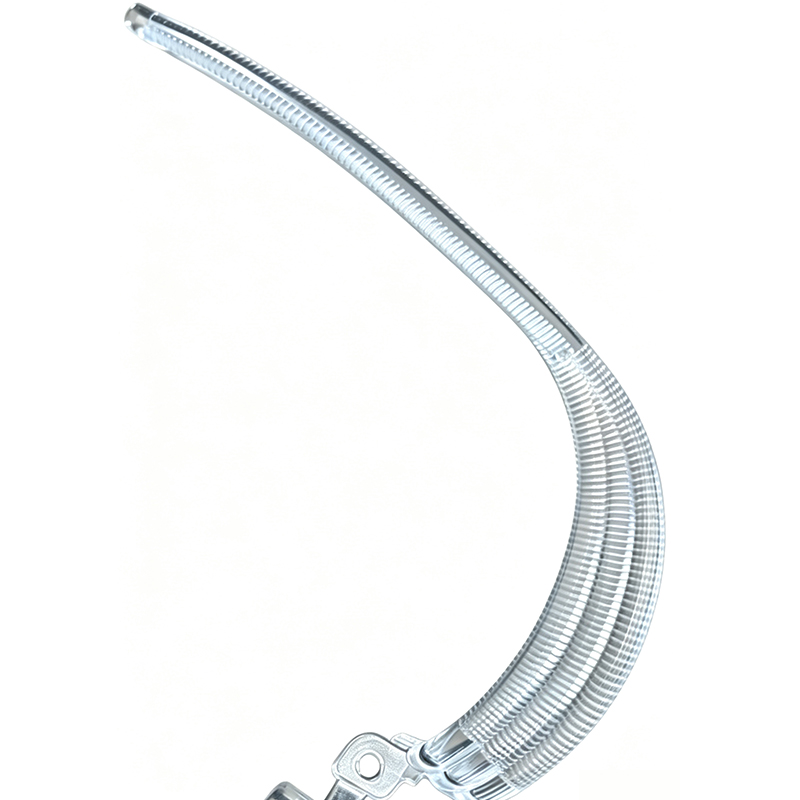
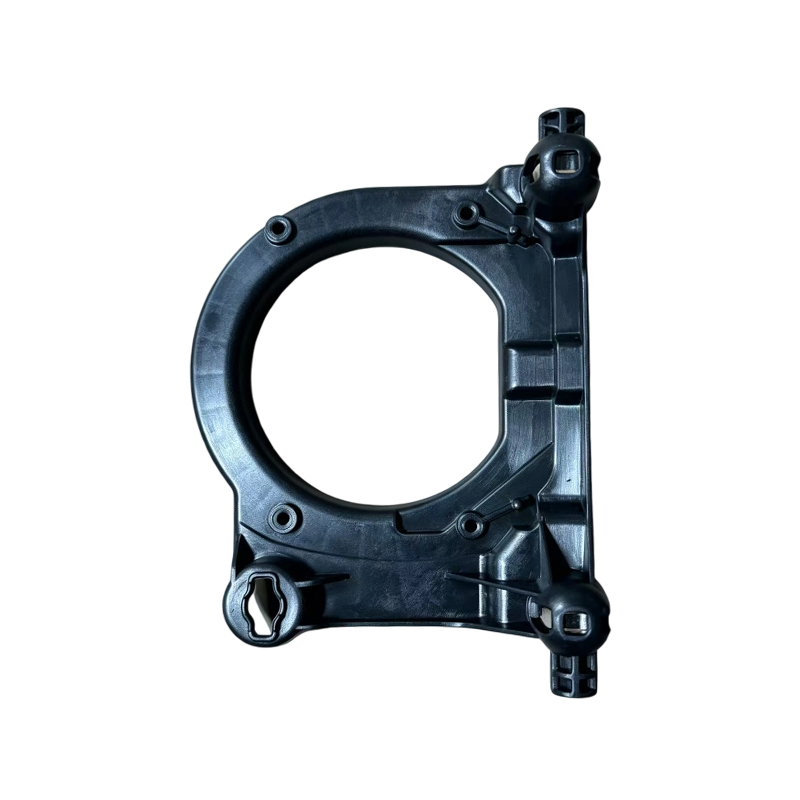
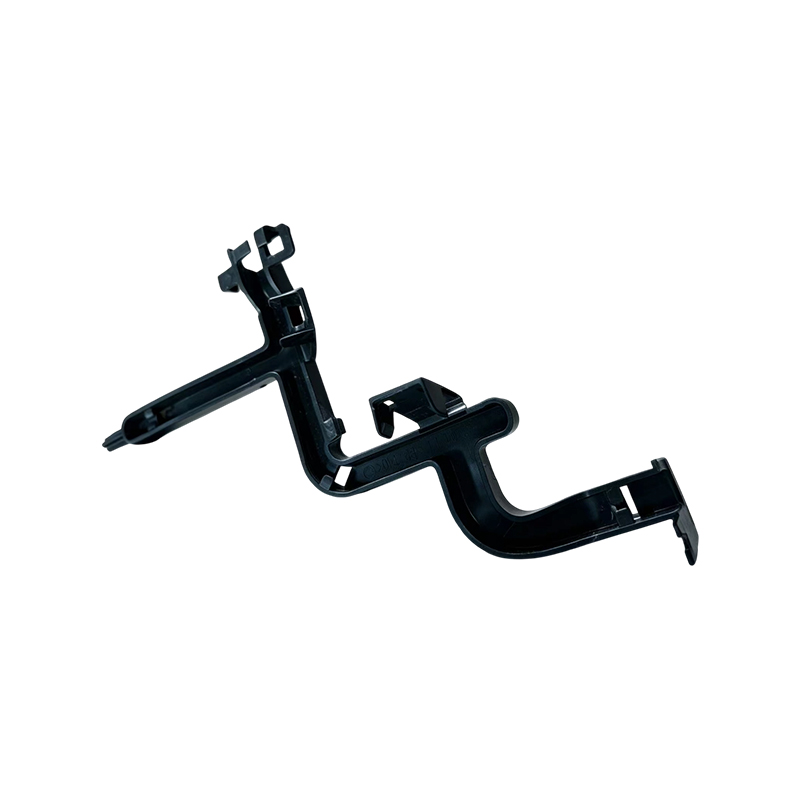
The Automotive Front Bumper Upper Grille (Upper Grille Assembly) is the primary front fascia grille component, manufactured from high-performance PC/ABS alloy via large-scale precision injection molding. It features a high-gloss piano-black finish and integrates the emblem mounting base, radar holes, and clip locating structures. It meets OEM stringent requirements for color consistency, assembly gaps, and radar installation accuracy, suitable for customized front-end development of new energy and fuel vehicles.
01Product Advantages 02Products & Molds 03Application Scenarios 04Inquiry

This assembly combines high-gloss aesthetics with structural strength. The PC/ABS alloy provides excellent heat resistance, impact resistance, and dimensional stability, resisting deformation and fading over time. Large precision molds ensure accurate replication of complex curves and mesh details, with strict color difference control and uniform assembly gaps. Reserved radar and camera mounting points do not interfere with signal transmission, supporting intelligent driver assistance systems. The clip locating design simplifies assembly and enhances the front-end refinement and brand identity.

About Us

Taizhou Shunchi Molding Co., Ltd. is located in Huangyan, Zhejiang, known as the "Hometown of Chinese Moulds." Leveraging the local mature mould industry supporting advantages, we focus on the customized development of high-end automotive plastic moulds. Our main products cover injection moulds for automotive headlamp assemblies, lamp lenses, bumpers, grilles, door panels and other automotive interior and exterior trim parts, as well as household moulds such as trash cans and chairs. We have a professional technical team and adopt internationally advanced CAD/CAM/CAE systems. In recent years, our business has expanded to Europe and we have become an export-oriented enterprise. High quality, on-time delivery and favorable prices are our business principles for all customers worldwide.

News

  • Company News 2026-10-10

    Headlight assemblies often use two-shot injection molding to integrate the lens (clear PC) and housing (black ABS/PC), or to combine hard and soft materials. Two-shot mold types: Rotary platen (turntable): The moving mold rotates 180°; station 1 injects clear PC, station 2 injects black ABS. Suitable for integrated lens + housing. Slider-type (core-back): Uses slides or core-pulling mechanisms to switch between two materials. Robot transfer: After the first shot, a robot places the semi-finished part into the second-shot mold. Advantages: Reduces assembly steps, improves production efficiency. Eliminates gaps between materials, improving sealing. Enables integrated design of complex geometries. Mold design considerations: Material compatibility: PC and ABS are compatible, but interface temperature must be controlled. Rotary accuracy: Turntable positioning accuracy must be < 0.02 mm to prevent misalignment. Independent temperature control: Two injection units require independent temperature and pressure control. Venting design: Two-shot molding tends to trap gas; optimize vent locations.

    View More
  • Company News 2026-10-10

    Bumpers are among the largest injection-molded automotive parts, typically made of PP+EPDM+Talc-modified material. Main challenges include: Long flow length: Large size and thin walls (2.5–3.5mm) create high flow-length-to-thickness ratios, risking short shots. Solution: Use multi-point hot runner valve gates with sequential valve gate control to ensure uniform melt front advancement. Warpage: Uneven shrinkage in length vs. width directions causes warpage. Solution: Optimize cooling channel layout (conformal cooling) to balance mold temperature; use Moldflow analysis to optimize gate locations and packing profiles. Weld lines: Melt convergence at multiple gates creates weld lines, affecting appearance and strength. Solution: Strategically place gates so weld lines fall on non-visible or low-stress areas; increase mold temperature and injection speed. Ejection difficulty: Large surface area creates high demolding resistance. Solution: Use a large stripper plate + ejector pin combination, with air-assisted ejection if necessary. Heavy mold weight: Molds can weigh 30–50 tons, requiring large injection machines (2,500–4,000 tons clamping force). Solution: Use high-strength mold steels (e.g., 718H, 2738) and optimize mold base structure to reduce weight.

    View More
  • Company News 2026-10-10

    Automotive headlight lenses are typically made of PC (polycarbonate) due to its excellent clarity, high impact resistance, and heat resistance. Some lower-end vehicles use PMMA (acrylic), but its impact resistance is inferior to PC. Key mold design points: High-polish cavity: Optical-grade clarity requires cavity surfaces polished to SPI A1 or A2 (Ra ≤ 0.012μm). Hot runner system: Eliminates cold runner waste and ensures uniform melt temperature, reducing internal stress and flow marks. Mold temperature control: PC injection requires high mold temperatures (80–120°C), typically using oil heaters to ensure complete filling and reduce internal stress. Slow injection + multi-stage packing: Prevents jetting marks and sink marks, ensuring optical surface quality. Ejection design: Lenses are typically thin-walled, large-curved-surface parts, requiring proper draft angles (generally ≥2°) and ejection systems (e.g., air-assisted ejection or large-area ejector pins).

    View More