
 English
How are two-shot and multi-shot injection molding applied in automotive headlight assembly molds?
Home / News / Company News / How are two-shot and multi-shot injection molding applied in automotive headlight assembly molds?

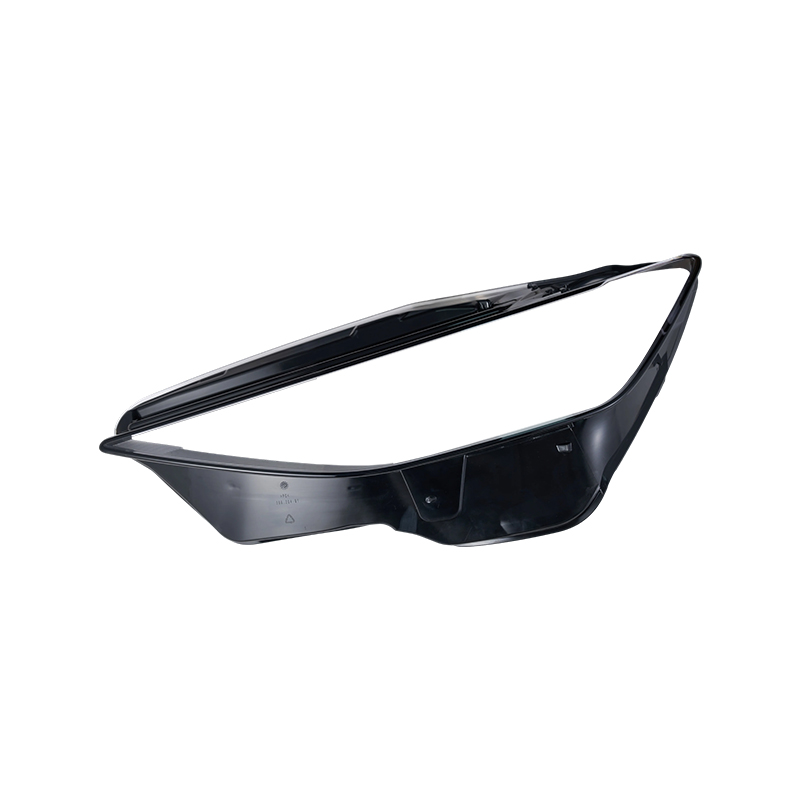
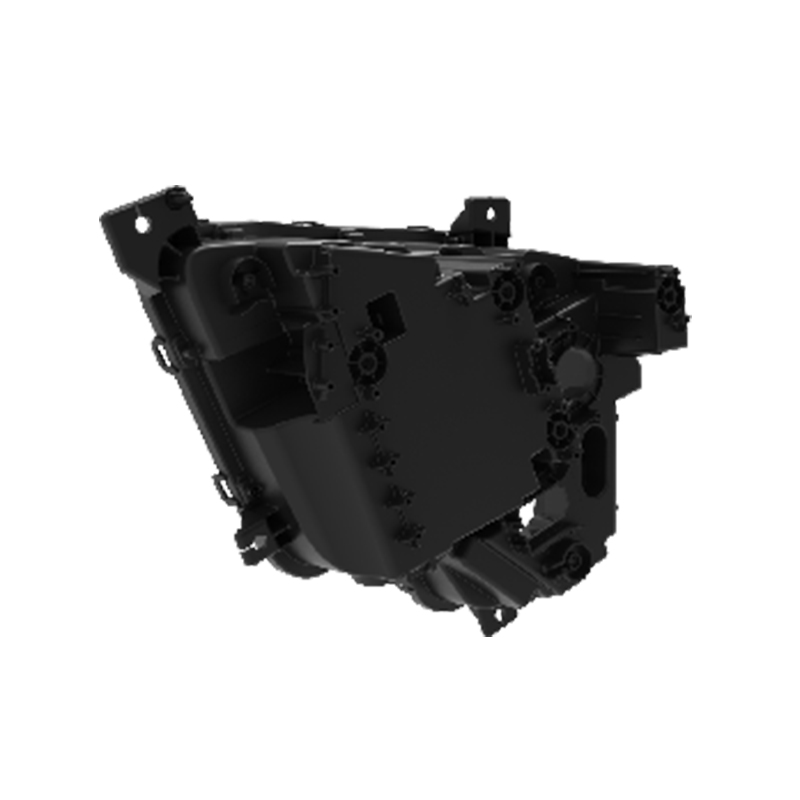
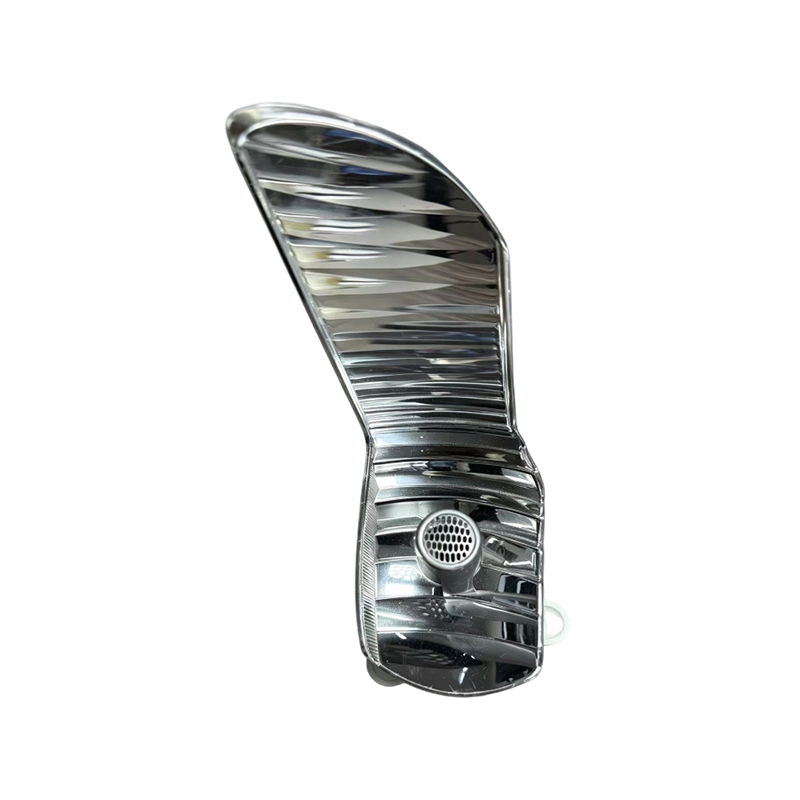
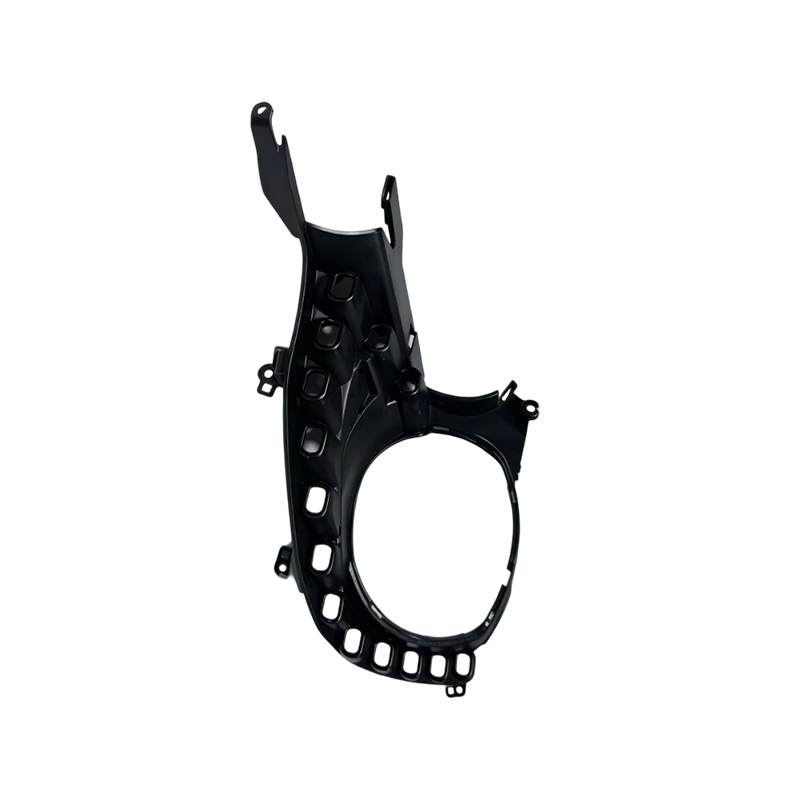
Headlight assemblies often use two-shot injection molding to integrate the lens (clear PC) and housing (black ABS/PC), or to combine hard and soft materials.
Two-shot mold types:
Rotary platen (turntable): The moving mold rotates 180°; station 1 injects clear PC, station 2 injects black ABS. Suitable for integrated lens + housing.
Slider-type (core-back): Uses slides or core-pulling mechanisms to switch between two materials.
Robot transfer: After the first shot, a robot places the semi-finished part into the second-shot mold.
Advantages:
Reduces assembly steps, improves production efficiency.
Eliminates gaps between materials, improving sealing.
Enables integrated design of complex geometries.
Mold design considerations:
Material compatibility: PC and ABS are compatible, but interface temperature must be controlled.
Rotary accuracy: Turntable positioning accuracy must be < 0.02 mm to prevent misalignment.
Independent temperature control: Two injection units require independent temperature and pressure control.
Venting design: Two-shot molding tends to trap gas; optimize vent locations.


One-stop injection mold solutions for automotive & motorcycle components.

Call: +86-13626635424

E-mail: 305750808@qq.com

No. 9 Kangzhuang Road, Huangyan District, Taizhou City, Zhejiang Province, China
