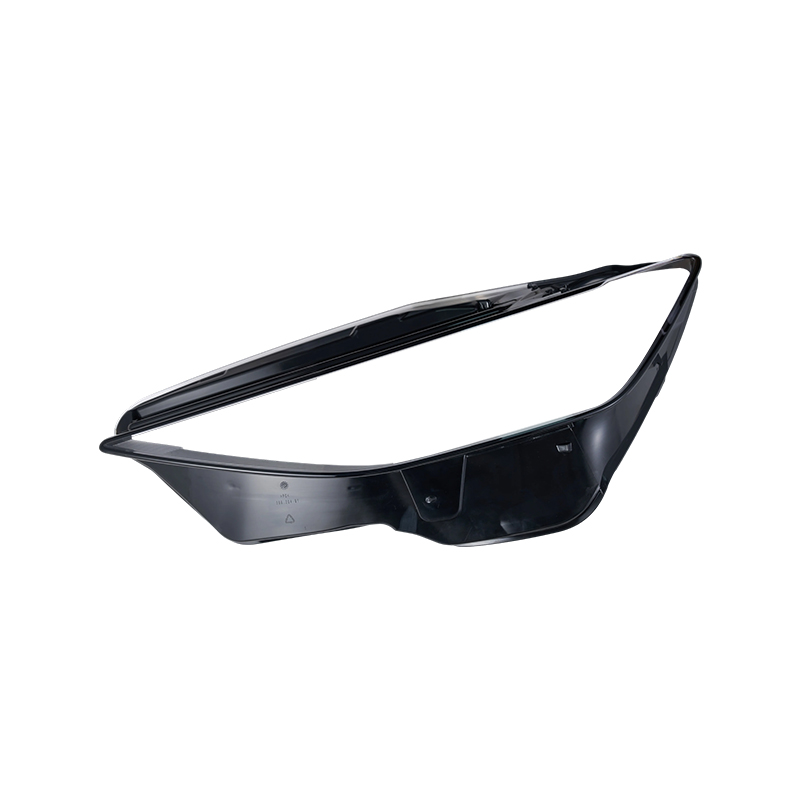
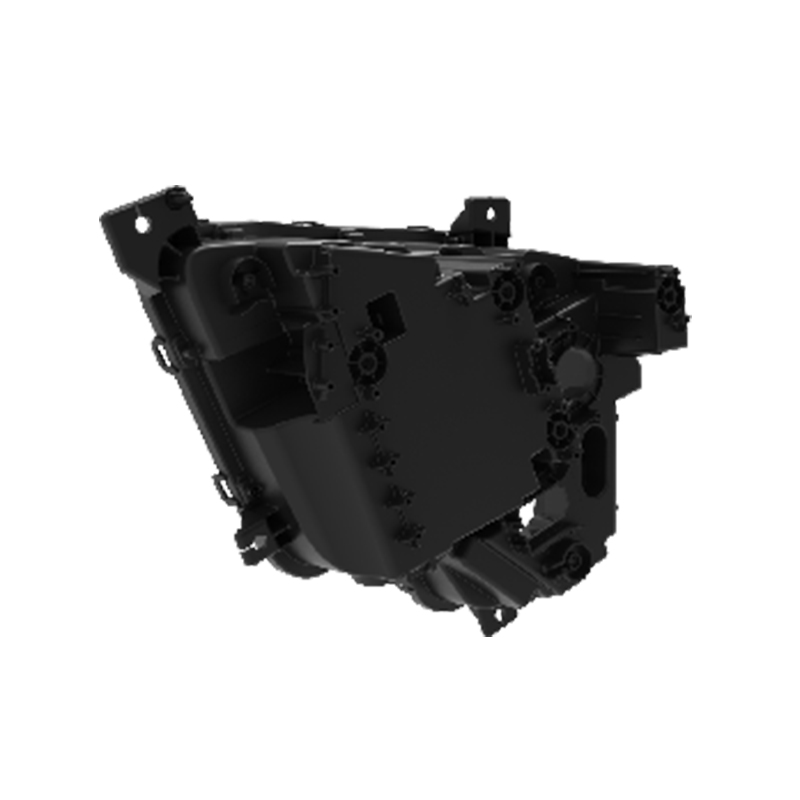
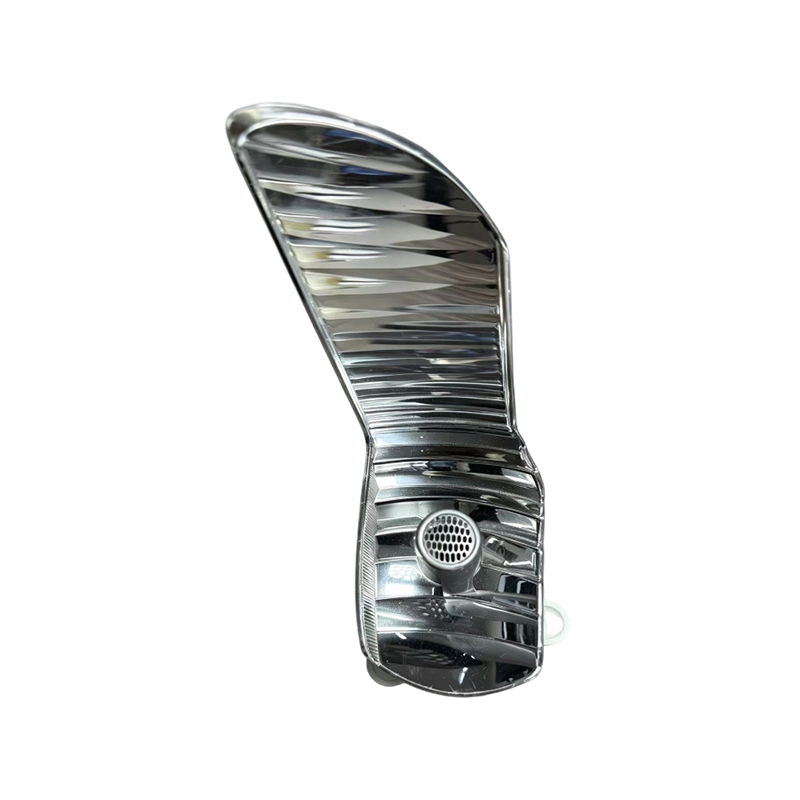
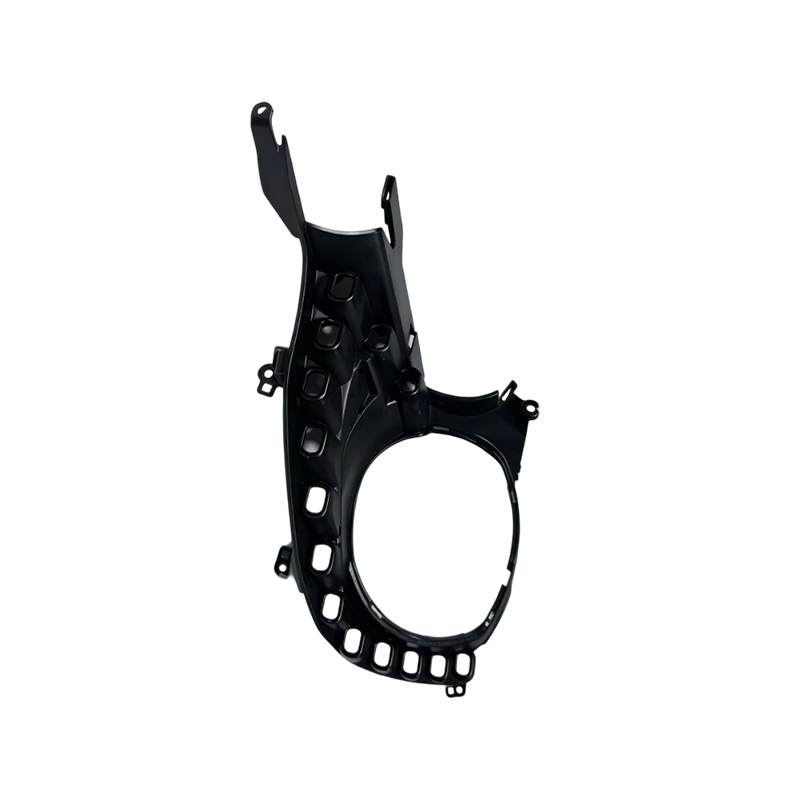
Automotive headlight lenses are typically made of PC (polycarbonate) due to its excellent clarity, high impact resistance, and heat resistance. Some lower-end vehicles use PMMA (acrylic), but its impact resistance is inferior to PC.
Key mold design points:
-
High-polish cavity: Optical-grade clarity requires cavity surfaces polished to SPI A1 or A2 (Ra ≤ 0.012μm).
-
Hot runner system: Eliminates cold runner waste and ensures uniform melt temperature, reducing internal stress and flow marks.
-
Mold temperature control: PC injection requires high mold temperatures (80–120°C), typically using oil heaters to ensure complete filling and reduce internal stress.
-
Slow injection + multi-stage packing: Prevents jetting marks and sink marks, ensuring optical surface quality.
-
Ejection design: Lenses are typically thin-walled, large-curved-surface parts, requiring proper draft angles (generally ≥2°) and ejection systems (e.g., air-assisted ejection or large-area ejector pins).


 English